
Products
At Yahya Enterprises, our product portfolio reflects the strength of Pakistan’s natural mineral wealth combined with the industrial demands of a global marketplace. On the export front, we specialize in a carefully selected range of industrial minerals — fluorspar, chrome ore, talc, magnesite, and silica quartz — each processed to meet the exacting standards of industries such as steel manufacturing, ceramics, refractories, and chemical production. These minerals travel from Pakistan’s mineral-rich regions to manufacturing facilities across the globe, playing a vital role in processes ranging from metal refining to industrial coatings.
Beyond exporting, we also play an active role in strengthening Pakistan’s own industrial base by importing essential raw materials, including ferro alloys, foundry coke, and metallurgical coke. These imported inputs serve as critical components for local steel mills and foundries, supporting the production processes that keep domestic industries running smoothly. Together, our import and export operations form a complete cycle — one that draws on Pakistan’s natural resources for the world, while bringing in the materials our own industries need to grow and thrive.
Fluorspar
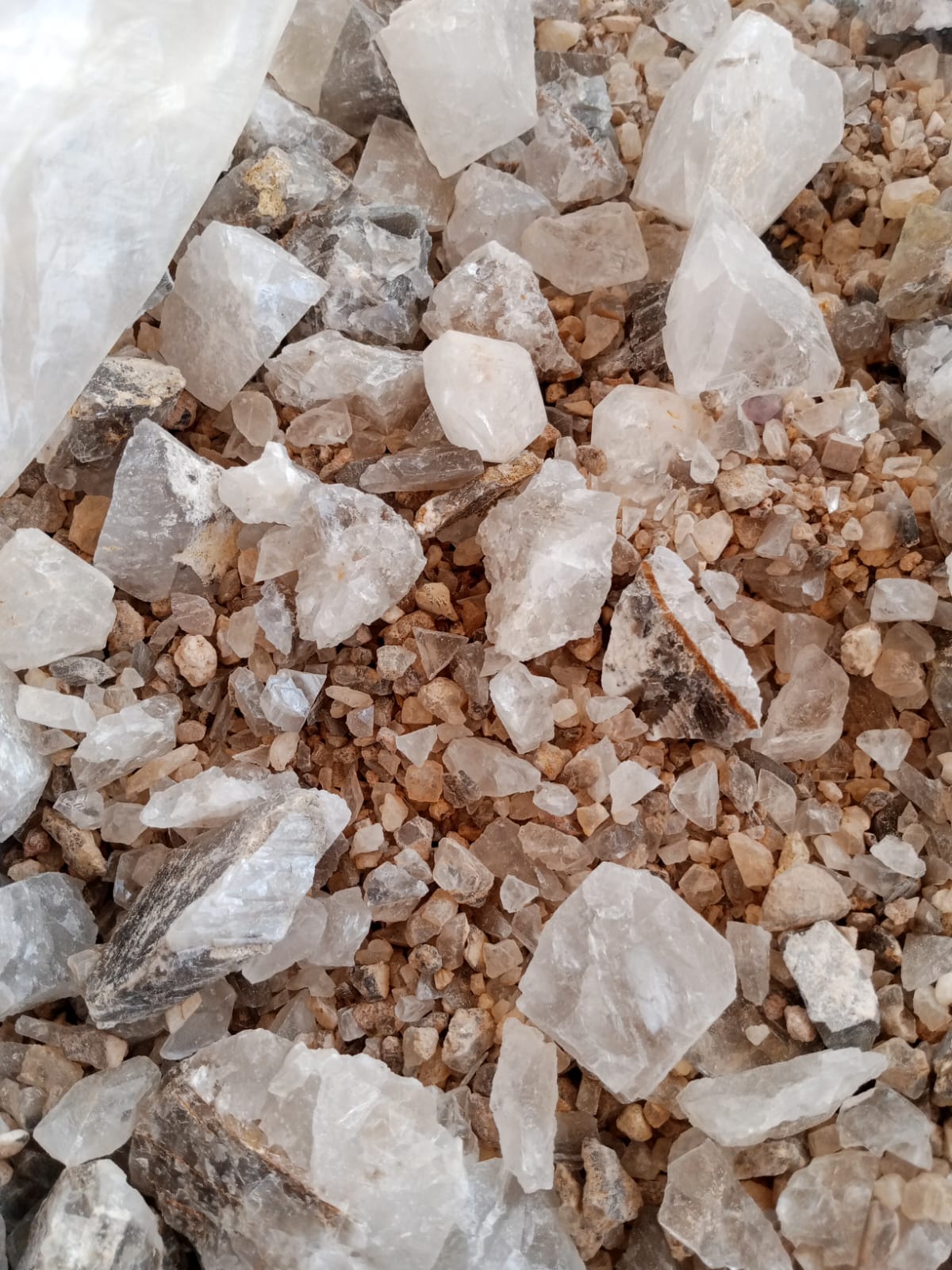
Fluorspar, also known as fluorite, is a naturally occurring mineral composed of calcium fluoride (CaF₂). Renowned for its striking range of colors — from deep purples and greens to blues, yellows, and clear crystals — fluorspar is far more than a visually appealing mineral. It stands as one of the most valuable and versatile industrial minerals in the world, playing an essential role across metallurgy, chemical manufacturing, and glass and ceramics production. Pakistan is home to significant fluorspar deposits, positioning companies like Yahya Enterprises at the forefront of supplying this critical resource to global industries.
Formation and Occurrence
Fluorspar typically forms in hydrothermal veins, often alongside minerals like quartz, calcite, and barite. It occurs in sedimentary rock formations and is mined through both underground and open-pit mining methods, depending on the depth and concentration of deposits. Pakistan’s mineral belts, particularly in regions known for rich mineral diversity, have yielded high-quality fluorspar deposits that meet international purity standards.
Grades and Classifications
Fluorspar is typically categorized into three main grades based on its calcium fluoride (CaF₂) content and intended industrial application:
- Acid Grade Fluorspar (97%+ CaF₂): The highest purity grade, used primarily in the chemical industry for producing hydrofluoric acid (HF), a critical compound for manufacturing refrigerants, aluminum, and various fluorochemicals.
- Ceramic Grade Fluorspar (85-96% CaF₂): Used in the production of glass, enamel, and ceramics, where it helps improve the melting process and enhances the finish of the final product.
- Metallurgical Grade Fluorspar (60-85% CaF₂): The most widely used grade in the steel and iron industries, primarily serving as a flux material.
Industrial Applications
Steel & Metallurgical Industry
Fluorspar’s most significant application lies in steelmaking, where it is used as a flux to lower the melting point of raw materials and improve the fluidity of slag. This allows for more efficient removal of impurities during the steelmaking process, resulting in higher-quality steel output. It’s an essential additive in electric arc furnaces and basic oxygen furnaces worldwide.
Chemical Industry
Acid-grade fluorspar serves as the primary raw material for producing hydrofluoric acid, which in turn is used to manufacture a wide range of fluorochemical products, including refrigerants, non-stick coatings (like PTFE/Teflon), and various industrial solvents.
Aluminum Production
Fluorspar is used to produce aluminum fluoride and synthetic cryolite, both of which play crucial roles in the electrolytic process of aluminum smelting, helping reduce energy consumption and improve efficiency.
Glass & Ceramics
In glass manufacturing, fluorspar helps improve the melting process and enhances the clarity and finish of glass products. In ceramics, it contributes to glaze formulation and enamel production.
Cement Industry
Fluorspar is sometimes used in cement production as a mineralizer, helping to lower the temperature required for clinker formation, which can improve energy efficiency in cement kilns.
Why Fluorspar Matters Globally
As industries worldwide continue to prioritize efficiency, sustainability, and advanced material processing, fluorspar’s role remains indispensable. Its ability to improve industrial processes — from steel refining to chemical synthesis — makes it a mineral that underpins much of modern manufacturing. With global demand for high-purity fluorspar continuing to rise, particularly from the steel, aluminum, and chemical sectors, reliable and consistent supply chains have become more critical than ever.
Yahya Enterprises’ Commitment to Quality Fluorspar
At Yahya Enterprises, we take pride in supplying fluorspar that meets rigorous international quality standards. Through careful sourcing, processing, and quality control, we ensure our fluorspar consistently meets the specifications required across metallurgical, chemical, and industrial applications — helping our global partners maintain efficient, high-quality production processes.
Magnesite
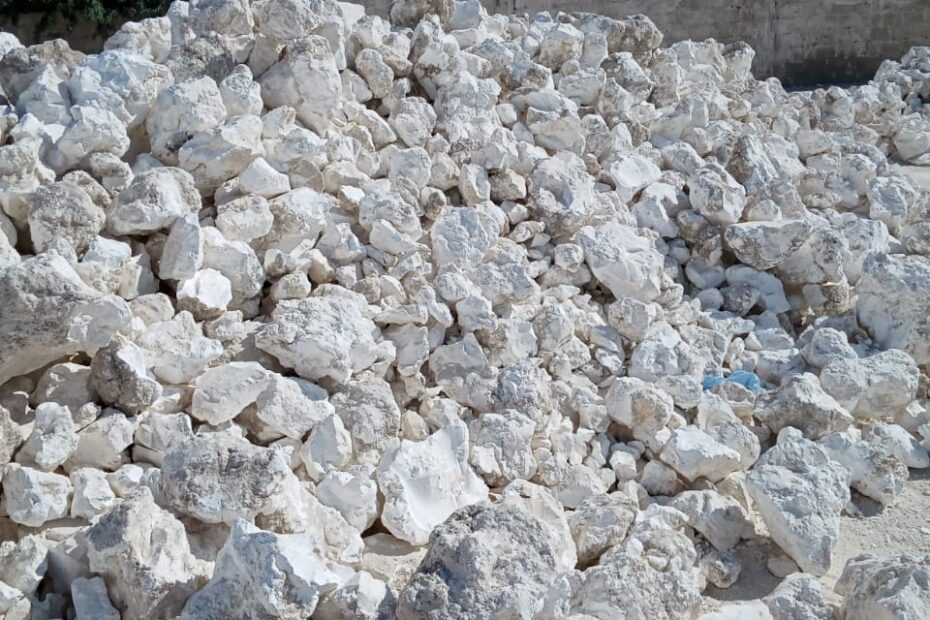
Magnesite is a naturally occurring mineral composed primarily of magnesium carbonate (MgCO₃). Known for its high heat resistance and versatility, magnesite serves as one of the most important raw materials in the refractory industry, alongside applications in agriculture, construction, and chemical manufacturing. Pakistan possesses notable magnesite deposits, and companies like Yahya Enterprises play a key role in bringing this essential mineral to international markets that depend on its unique thermal and chemical properties.
Formation and Occurrence
Magnesite typically forms through the alteration of magnesium-rich rocks, such as serpentine and dunite, via processes involving carbon dioxide-rich fluids — a process known as carbonation. It can also form in sedimentary environments through the precipitation of magnesium carbonate. Magnesite deposits are often found in association with ultramafic rocks and are mined through both open-pit and underground methods, depending on deposit depth and structure. Pakistan’s geological formations have yielded magnesite reserves of notable purity, suitable for a range of industrial applications.
Grades and Classifications
Magnesite is generally categorized based on its magnesium oxide (MgO) content and processing level:
- Raw/Crude Magnesite: Unprocessed magnesite ore, typically containing 40-45% MgO, used as a base material before further processing.
Industrial Applications
Refractory Industry
Magnesite’s most significant application lies in the production of refractory bricks and linings used in furnaces, kilns, and other high-temperature industrial equipment. Dead burned magnesite, in particular, is prized for its ability to withstand extreme temperatures without breaking down, making it essential for steel furnaces, cement kilns, and glass manufacturing equipment.
Steel Industry
Beyond refractories, magnesite-based products are used to line basic oxygen furnaces and electric arc furnaces, protecting equipment from the intense heat and chemical reactions involved in steel production while extending furnace lifespan.
Agriculture
Caustic calcined magnesite is widely used as a magnesium supplement in animal feed and as a soil conditioner in agriculture, helping correct magnesium deficiencies in livestock and crops.
Chemical Industry
Magnesium compounds derived from magnesite serve as raw materials for producing various magnesium salts, used in water treatment, flame retardants, and pharmaceutical applications.
Construction Industry
Magnesium oxide derived from magnesite is used in specialized construction materials, including magnesium oxide boards, which are valued for their fire resistance, durability, and mold resistance.
Environmental Applications
Magnesite-derived products are increasingly used in flue gas desulfurization and wastewater treatment processes, helping industries meet environmental compliance standards.
Why Magnesite Matters Globally
As industries continue to push the limits of high-temperature processing — from steel manufacturing to cement production — the demand for reliable, high-quality refractory materials continues to grow. Magnesite’s unmatched thermal resistance and chemical stability make it irreplaceable in these applications, while its expanding role in agriculture and environmental protection reflects its versatility beyond traditional industrial use. As global industries prioritize efficiency and equipment longevity, high-grade magnesite remains a critical resource in achieving these goals.
Yahya Enterprises’ Commitment to Quality Magnesite
At Yahya Enterprises, we ensure our magnesite meets stringent international quality benchmarks, from sourcing raw ore to processing it into the grades our clients require. Our commitment to consistent MgO content, low impurity levels, and reliable supply ensures that industries relying on magnesite — whether for refractory linings, agricultural use, or chemical processing — receive a product they can depend on for performance and longevity.
Silica Quartz
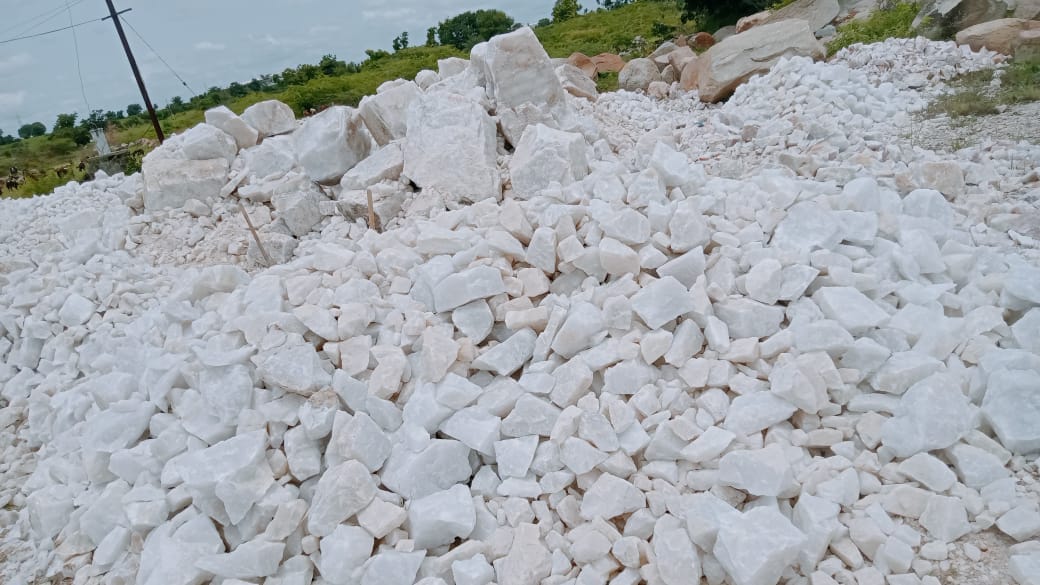
Silica quartz is a naturally occurring mineral composed of silicon dioxide (SiO₂), one of the most abundant minerals on Earth. Known for its exceptional purity, hardness, and chemical stability, silica quartz serves as a foundational raw material across a remarkably wide range of industries — from glassmaking and electronics to construction and metallurgy. Pakistan is home to substantial silica quartz deposits of notable purity, and Yahya Enterprises plays a key role in bringing this essential mineral to global markets that rely on its unique physical and chemical properties.
Formation and Occurrence
Silica quartz forms through the crystallization of silicon dioxide, often found in igneous, metamorphic, and sedimentary rock formations. It commonly occurs as veins within quartzite deposits or as sand and gravel in alluvial settings. Quartz deposits are mined through both open-pit methods for large vein deposits and specialized extraction techniques for high-purity sources. Pakistan’s mineral-rich terrain has yielded silica quartz reserves with high SiO₂ content, making them well-suited for a variety of industrial-grade applications.
Grades and Classifications
Silica quartz is typically categorized based on its silicon dioxide (SiO₂) purity and intended application:
- Low-Grade Silica Quartz (90-95% SiO₂): Commonly used in construction materials, foundry sand, and general industrial fillers.
- Medium-Grade Silica Quartz (95-99% SiO₂): Used in glass manufacturing, ceramics, and certain chemical processes requiring moderate purity levels.
- High-Grade Silica Quartz (99%+ SiO₂): Used in high-quality glass production, silicon metal manufacturing, and specialized industrial applications requiring minimal impurities.
- Ultra-High Purity Quartz (99.9%+ SiO₂): Reserved for advanced technological applications, including electronics and semiconductor manufacturing, where extremely low impurity levels are essential.
Industrial Applications
Glass Manufacturing
Silica quartz is the primary raw material in glass production, used to manufacture everything from flat glass and container glass to specialty glass products. Its purity directly affects the clarity, strength, and quality of the final glass product.
Foundry Industry
Silica quartz sand is widely used as foundry sand in metal casting processes, valued for its high melting point and ability to maintain mold shape and integrity during the casting of metals like iron, steel, and aluminum.
Silicon Metal & Ferrosilicon Production
High-purity silica quartz serves as the essential raw material for producing silicon metal, which in turn is used in aluminum alloys, silicone products, and solar-grade silicon. It’s also a key input in ferrosilicon production, an important alloy used in steelmaking.
Ceramics Industry
Silica quartz contributes to ceramic body formulations, improving thermal stability and structural strength in tiles, sanitaryware, and other ceramic products.
Construction Industry
Silica quartz is used in the production of concrete, mortar, and various construction aggregates, valued for its hardness and durability in building materials.
Electronics & Semiconductor Industry
Ultra-high purity silica quartz plays a critical role in producing semiconductor-grade silicon, essential for electronics, solar panels, and advanced technological components.
Chemical Industry
Silica quartz is used in the production of sodium silicate and other silicon-based chemical compounds, which have applications ranging from detergents to water treatment.
Why Silica Quartz Matters Globally
As industries across construction, electronics, energy, and manufacturing continue to expand, the demand for high-quality silica quartz continues to rise. Its role in producing everything from everyday glass products to cutting-edge semiconductor components makes it an irreplaceable resource in the modern industrial landscape. With growing emphasis on renewable energy — particularly solar power, which relies heavily on silicon derived from high-purity quartz — the strategic importance of silica quartz continues to expand.
Yahya Enterprises’ Commitment to Quality Silica Quartz
At Yahya Enterprises, we ensure our silica quartz meets the rigorous purity and consistency standards required across diverse industrial applications. From careful sourcing to meticulous processing, we deliver silica quartz that our global partners can rely on — whether for glassmaking, foundry operations, or advanced industrial processes — reinforcing our commitment to quality at every stage of the supply chain.
Talc
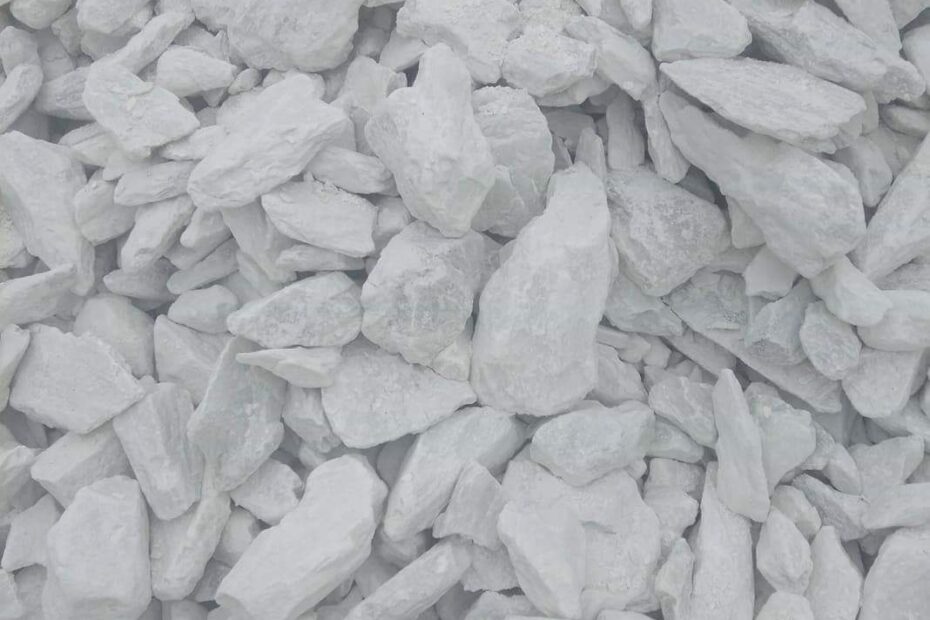
Talc is a naturally occurring hydrous magnesium silicate mineral, chemically represented as Mg₃Si₄O₁₀(OH)₂. Renowned as one of the softest minerals on Earth, talc is prized for its unique combination of softness, chemical inertness, and excellent lubricating properties. This versatility has made it an essential raw material across a remarkably broad range of industries — from ceramics and paints to plastics, paper, and cosmetics. Pakistan holds significant talc deposits of high quality, and Yahya Enterprises plays a key role in supplying this valuable mineral to industries around the world.
Formation and Occurrence
Talc typically forms through the metamorphic alteration of magnesium-rich rocks, such as dolomite, serpentine, and other ultramafic rocks, in the presence of silica-rich fluids. It often occurs alongside minerals like chlorite, serpentine, and dolomite in metamorphic rock formations. Talc deposits are usually mined through open-pit methods, followed by crushing, grinding, and processing to achieve the fine particle sizes required for various industrial applications. Pakistan’s mineral belts have yielded talc deposits known for their purity and consistency, suitable for a wide range of industrial-grade uses.
Grades and Classifications
Talc is generally categorized based on its purity, whiteness, particle size, and mineral composition:
- Industrial Grade Talc: Used broadly across construction, plastics, and rubber industries, valued for its filler and reinforcing properties.
- Cosmetic Grade Talc: Processed to extremely fine particle sizes and high purity levels, used in personal care products where softness and skin-friendly properties are essential.
- Ceramic Grade Talc: Selected for its specific mineral composition that aids in the firing process and enhances the thermal properties of ceramic products.
- Paper Grade Talc: Finely ground talc used as a coating and filler material to improve paper smoothness, opacity, and printability.
Industrial Applications
Ceramics Industry
Talc plays a crucial role in ceramic manufacturing, where it helps lower firing temperatures, improve thermal shock resistance, and enhance the strength and durability of tiles, sanitaryware, and other ceramic products.
Paints & Coatings
In the paint industry, talc serves as a functional filler, improving paint texture, opacity, and durability while also enhancing resistance to cracking and weathering in coatings.
Plastics Industry
Talc is widely used as a reinforcing filler in plastic manufacturing, particularly in polypropylene products, where it improves stiffness, heat resistance, and dimensional stability.
Paper Industry
Talc is used both as a filler and as a pitch control agent in paper manufacturing, helping improve paper smoothness, printability, and production efficiency by controlling resin deposits during processing.
Rubber Industry
In rubber manufacturing, talc is used as an anti-tack agent and filler, preventing rubber products from sticking together during production and storage while also improving material properties.
Cosmetics & Personal Care
Talc’s soft texture and absorbent properties make it a key ingredient in cosmetic products such as powders, where it provides smoothness and moisture absorption.
Construction Industry
Talc is used in certain construction materials, including joint compounds and coatings, where its properties contribute to workability and finish quality.
Why Talc Matters Globally
As industries continue to seek materials that improve product performance while maintaining cost efficiency, talc’s unique combination of properties — softness, chemical inertness, and excellent lubricating and filling capabilities — ensures its continued relevance across diverse sectors. From enhancing the durability of ceramics to improving the texture of everyday paper and plastic products, talc remains a quietly essential mineral woven into countless industrial processes worldwide.
Yahya Enterprises’ Commitment to Quality Talc
At Yahya Enterprises, we ensure our talc meets the specific purity, whiteness, and particle size requirements demanded by diverse industrial applications. Through careful sourcing and processing, we deliver talc that our global partners can depend on — whether for ceramics, plastics, paints, or paper manufacturing — reflecting our ongoing commitment to quality and consistency at every stage of production.
Chrome ore
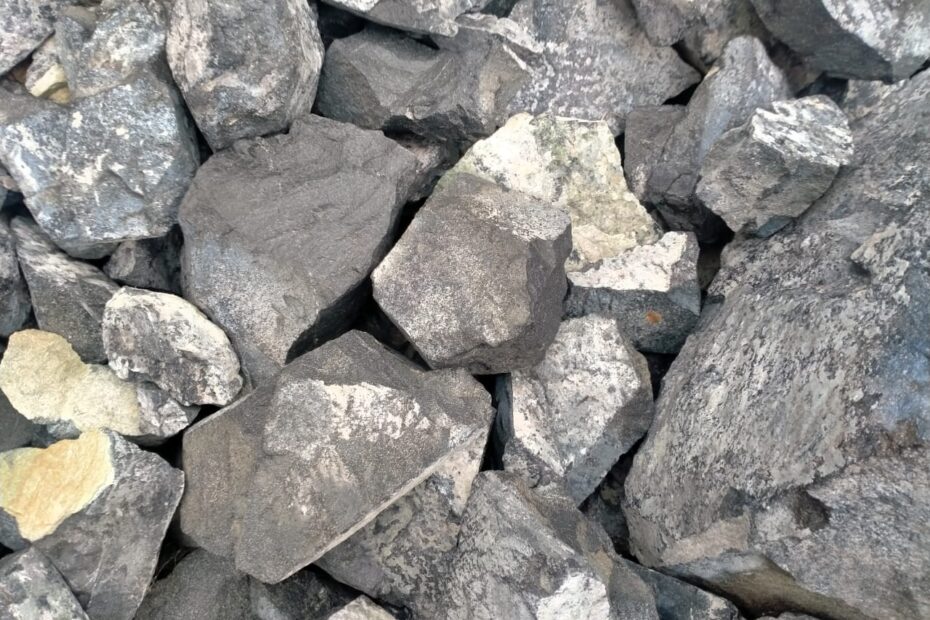
Chrome ore, also known as chromite, is a naturally occurring mineral composed of iron magnesium chromium oxide (FeCr₂O₄). As the world’s primary source of chromium, chrome ore holds a uniquely strategic position in global industry — it is the only commercially viable source of new chromium, an element with no true substitute in many of its critical applications. Pakistan possesses valuable chromite deposits, and Yahya Enterprises plays an important role in supplying this essential mineral to industries that depend on chromium’s remarkable properties, particularly stainless steel production.
Formation and Occurrence
Chrome ore forms through the crystallization of chromium-rich magma in ultramafic and mafic igneous rock formations, often found in association with peridotite and serpentine rock bodies. Chromite deposits typically occur as layered or podiform formations within these ultramafic rocks. Mining methods vary depending on deposit type, ranging from open-pit extraction for surface deposits to underground mining for deeper, concentrated ore bodies. Pakistan’s mineral belts, particularly regions rich in ultramafic rock formations, have yielded chromite deposits suitable for various industrial-grade applications.
Grades and Classifications
Chrome ore is typically categorized based on its chromium-to-iron (Cr:Fe) ratio and chromium oxide (Cr₂O₃) content, which determine its suitability for specific applications:
- Metallurgical Grade Chromite (Cr:Fe ratio of 2:1 or higher, 46%+ Cr₂O₃): The most widely used grade, primarily for producing ferrochrome used in stainless steel manufacturing.
- Chemical Grade Chromite (lower Cr:Fe ratio, 40-46% Cr₂O₃): Used in the production of chromium chemicals, including chromic acid and various chromium compounds for industrial applications.
- Refractory Grade Chromite (high Al₂O₃ content, low iron): Valued for its high melting point and used in refractory bricks and linings for high-temperature furnace applications.
- Foundry Grade Chromite: Used as foundry sand due to its high thermal stability and resistance to metal penetration during casting processes.
Industrial Applications
Stainless Steel Industry
Chrome ore’s most significant application lies in the production of ferrochrome, an essential alloy added during steelmaking to produce stainless steel. Chromium content gives stainless steel its signature corrosion resistance, durability, and appealing finish, making this the largest single consumer of chrome ore worldwide.
Metallurgical & Alloy Industry
Beyond stainless steel, chromium derived from chrome ore is used to produce various specialty alloys, enhancing properties such as hardness, strength, and resistance to heat and corrosion in applications ranging from aerospace components to industrial machinery.
Chemical Industry
Chemical-grade chromite serves as a raw material for producing chromium chemicals, including chromic acid, sodium dichromate, and various chromium compounds used in pigments, leather tanning, wood preservation, and metal plating processes.
Refractory Industry
High-alumina chromite is used in refractory bricks and linings for furnaces and kilns operating at extreme temperatures, particularly in industries requiring resistance to both thermal stress and chemical corrosion.
Foundry Industry
Chromite sand is used as foundry sand in metal casting due to its high melting point, low thermal expansion, and excellent resistance to metal penetration, helping produce smoother, higher-quality metal castings.
Electroplating
Chromium compounds derived from chrome ore are widely used in electroplating processes, providing decorative and protective chrome finishes on metal products.
Why Chrome Ore Matters Globally
As the sole commercial source of chromium, chrome ore occupies an irreplaceable position in global industry. With no viable substitute for chromium in stainless steel production, and stainless steel demand continuing to rise across construction, automotive, and industrial sectors worldwide, chrome ore remains a strategically vital mineral. Its role extends beyond steel manufacturing into chemicals, refractories, and specialty alloys — underscoring its importance across a diverse and expanding range of industrial applications.
Yahya Enterprises’ Commitment to Quality Chrome Ore
At Yahya Enterprises, we ensure our chrome ore meets the stringent Cr:Fe ratio and Cr₂O₃ content requirements demanded by international buyers. Through careful sourcing, processing, and quality control, we deliver chrome ore that our global partners can rely on — whether for stainless steel production, chemical manufacturing, or refractory applications — reinforcing our commitment to consistency and quality at every stage of the supply chain.
Our Imports
Ferro alloys, foundry coke, and metallurgical coke
Alongside our export operations, Yahya Enterprises plays a vital role in supporting Pakistan’s domestic steel and foundry industries by importing essential raw materials, including ferro alloys, foundry coke, and metallurgical coke. These high-quality imported inputs serve as critical components in local steelmaking and casting processes, helping ensure our domestic industries have consistent access to the materials they need to operate efficiently and competitively. Through reliable sourcing and strong international supplier relationships, Yahya Enterprises remains committed to strengthening Pakistan’s industrial supply chain from both ends — bringing global resources home to power local growth.
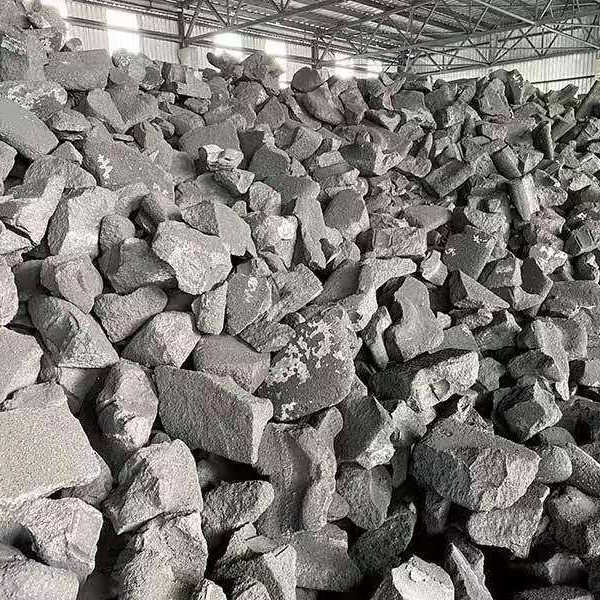
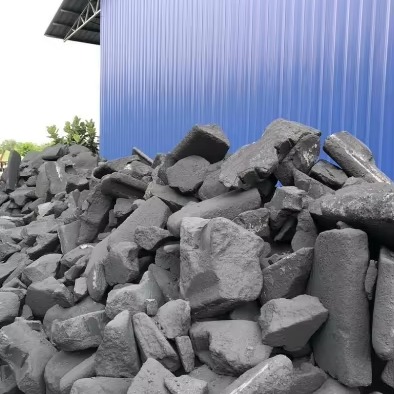
Ferro Alloys
Ferro alloys are essential iron-based compounds combined with elements such as manganese, silicon, or chromium, used as critical additives in steel production. They impart key properties like strength, hardness, and corrosion resistance, making them indispensable in modern steelmaking processes. Yahya Enterprises imports high-quality ferro alloys to support Pakistan’s steel industry with a reliable, consistent supply.
Metallurgical Coke
Metallurgical coke is a vital input in blast furnace steelmaking, serving as both a fuel source and a reducing agent that converts iron ore into molten iron. Known for its strength and low impurity levels, it plays a crucial role in maintaining efficient furnace operations. Yahya Enterprises imports high-grade metallurgical coke to support the steel manufacturing needs of local industries.
Foundry Coke
Foundry coke is a high-carbon, low-impurity form of coke used primarily as a fuel and reducing agent in foundry operations. It plays a key role in cupola furnaces, where it helps melt iron efficiently for producing high-quality metal castings. Yahya Enterprises imports premium foundry coke to meet the demands of Pakistan’s casting and foundry industries.

Take the First Step Toward Your Success Today
Success starts with the right partner. Reach out today and discover how Yahya Enterprises can power your next shipment, your next project, your next milestone.